

Valentine Day in Japan and White Day in Japan: Complete Guide for Beginners
Valentine’s Day is celebrated worldwide, but Valentine’s Day in Japan is truly unique and deeply rooted in cultural values, social etiquette, and thoughtful expression. Unlike many countries where couples exchange gifts on the same day, Japan follows a two-step love tradition—Valentine’s Day on February 14 and White Day in Japan on March 14.
For beginners who are curious about Japanese culture, language, or planning to study or work in Japan, understanding these traditions is essential. This complete guide explains how Valentine’s Day in Japan works, what White Day means, and how language plays an important role in expressing feelings.
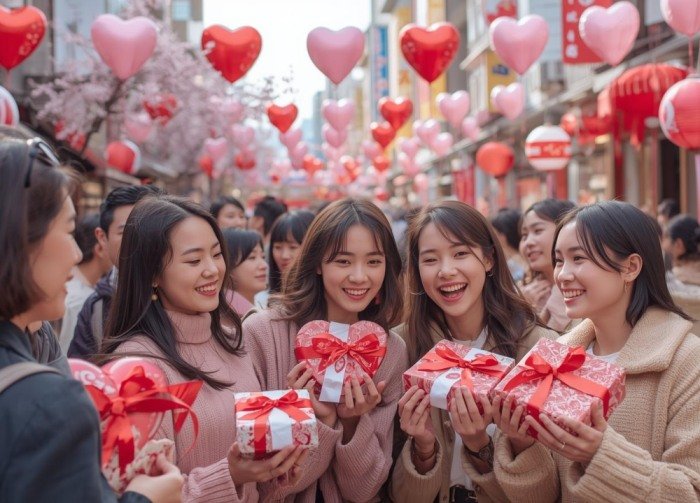
What Makes Valentine’s Day in Japan Different?
An Overview of Valentine’s Day in Japan
Valentine’s Day in Japan is celebrated on February 14, but the roles are reversed compared to Western countries. In Japan:
- Women give chocolates to men
- Chocolates represent feelings and social bonds
- Men respond one month later on White Day
This tradition started in the 1950s due to chocolate company marketing and gradually became part of Japanese society. You can explore a detailed cultural explanation in this guide on Valentine’s Day in Japan.
Why Chocolates Are So Important in Japan
In Japanese culture, chocolates are not just gifts—they are messages. The type of chocolate you give communicates your intention clearly, even without words.
Types of Chocolates on Valentine’s Day in Japan
1. Honmei Choco (本命チョコ) – Chocolate for True Love
Honmei choco is given to:
- Boyfriends
- Husbands
- Someone you genuinely love
These chocolates are often handmade or premium and symbolize romantic feelings.
2. Giri Choco (義理チョコ) – Obligation Chocolate
Giri choco is given to:
- Office colleagues
- Bosses
- Classmates
This type reflects Japanese workplace etiquette and social harmony rather than romance.
3. Tomo Choco (友チョコ) – Friendship Chocolate
Exchanged between friends, tomo choco represents affection and appreciation without romantic meaning.
4. Jibun Choco (自分チョコ) – Chocolate for Yourself
A modern trend where people buy chocolates for themselves, celebrating self-love.
For another beginner-friendly explanation, you can also read this article on Valentine’s Day in Japan.
Do Men Give Gifts on Valentine’s Day in Japan?
Traditionally, men do not give gifts on Valentine’s Day in Japan. Instead, they wait until White Day in Japan, making the celebration thoughtful and balanced. This reflects Japan’s cultural value of patience and proper timing.
For a broader cultural perspective, this article on Valentine’s Day in Japan explains how the tradition developed.
What Is White Day in Japan?
Understanding White Day in Japan
White Day in Japan, celebrated on March 14, is when men return gifts to women who gave them chocolates on Valentine’s Day.
White Day was introduced in the late 1970s and has become an essential part of Japanese romantic culture.
Popular White Day Gifts in Japan
On White Day in Japan, men usually give:
- White chocolate
- Cookies
- Candies
- Accessories
- Jewelry (for romantic relationships)
There is also a traditional idea called sanbai gaeshi, meaning the return gift should be two to three times the value of the Valentine’s chocolate.
Hidden Meanings of White Day Gifts
White Day gifts also carry symbolic meanings:
- Cookies – Let’s stay friends
- White chocolate – Appreciation
- Candy – Romantic interest
- Jewelry – Serious commitment
Understanding these meanings is especially important for beginners and foreigners living in Japan.
Why Valentine’s Day and White Day Are Connected
Together, Valentine’s Day in Japan and White Day in Japan represent:
- Mutual respect
- Emotional balance
- Social responsibility
- Thoughtful communication
Instead of instant romance, Japanese culture values reflection and response.
How Language Is Used During Valentine’s Day in Japan
Language plays a subtle but powerful role in Japanese Valentine traditions. Feelings are often expressed through:
- Simple words
- Polite phrases
- Carefully written messages
If you want to write proper Valentine wishes, this guide on how to write Happy Valentine’s Day in Japanese is perfect for beginners.
Japanese Writing Systems Used in Valentine Messages
Japanese uses three writing systems, all commonly seen on Valentine cards and gifts.
1. Hiragana
Hiragana is used for:
- Soft expressions
- Polite messages
- Emotional simplicity
2. Katakana
Katakana is used for:
- Foreign words like Valentine and chocolate
Examples: - バレンタイン (Valentine)
- チョコレート (Chocolate)
3. Kanji
Kanji adds depth and meaning, often used in romantic or thoughtful expressions.
Learning Japanese Helps You Understand Valentine Culture
Understanding Valentine’s Day in Japan becomes much easier when you know basic Japanese.
What Is JLPT N5 Level?
If you’re a beginner, start with N5 Japanese level. It helps you:
- Read simple messages
- Understand basic vocabulary
- Communicate politely
Valentine’s Day in Japan for Beginners and Foreigners
If you’re new to Japan:
- Observe local customs first
- Don’t feel pressured to participate
- Understand workplace etiquette
- Appreciate cultural differences
Japanese people value effort and respect more than perfection.
Modern Changes in Valentine’s Day and White Day in Japan
Today, traditions are evolving:
- Men also give chocolates
- Couples celebrate together
- Gender roles are becoming flexible
- Online gifting is increasing
Still, the essence of Valentine’s Day in Japan and White Day in Japan remains strong.
Learning Japanese in India: A Smart Step
Many learners in India study Japanese to understand culture and career opportunities. If you’re interested, check out the top institutes in Delhi for JLPT to begin your journey.
Why Beginners Should Understand These Traditions
For beginners, learning about Valentine’s Day in Japan and White Day in Japan helps you:
- Avoid cultural misunderstandings
- Build better relationships
- Appreciate Japanese values
- Connect language with real-life situations
Final Thoughts
Valentine Day in Japan and White Day in Japan form a beautifully balanced tradition based on respect, patience, and thoughtful expression. From different types of chocolates to meaningful return gifts, every detail reflects Japanese culture.
For beginners, understanding these traditions along with learning basic Japanese language skills opens the door to deeper cultural appreciation. Love in Japan may be subtle, but it is sincere, meaningful, and deeply respectful.
Frequently Asked Questions (FAQs)
1. Do they celebrate Valentine’s Day in Japan?
Yes, Valentine’s Day in Japan is widely celebrated on February 14 every year. However, it is very different from Western countries. In Japan, women traditionally give chocolates to men, including romantic partners, friends, and coworkers. The celebration continues one month later with White Day in Japan, when men return gifts. You can explore the full cultural background in this guide on Valentine’s Day in Japan.
2. Is February 11 a holiday in Japan?
Yes, February 11 is a national holiday in Japan called National Foundation Day. However, it is not connected to Valentine’s Day in Japan or White Day in Japan. Valentine’s Day is celebrated on February 14 and is not a public holiday, but it is socially important across Japan.
3. Do girls give gifts on Valentine’s Day in Japan?
Yes, during Valentine’s Day in Japan, it is traditionally women who give chocolates to men. These chocolates may represent romantic love (honmei choco) or social courtesy (giri choco). Men then respond on White Day in Japan by giving return gifts on March 14. You can also read more details here: Valentine’s Day in Japan.
4. What is March 14 in Japan?
March 14 is celebrated as White Day in Japan. On this day, men return gifts to women who gave them chocolates on Valentine’s Day in Japan. White Day symbolizes gratitude, balance, and emotional response in Japanese culture.
5. What is the most romantic day in Japan?
Many people consider both Valentine’s Day in Japan (February 14) and White Day in Japan (March 14) as the most romantic period in Japan. Valentine’s Day is for expressing feelings, while White Day is for returning those feelings. Together, they create a meaningful romantic tradition.
6. Is February 24th a holiday in Japan?
No, February 24 is not a national holiday in Japan. It is a regular working day. However, February remains culturally important because of Valentine’s Day in Japan, which is celebrated on February 14, even though it is not an official holiday.
7. Why do men give gifts on White Day in Japan?
Men give gifts on White Day in Japan to respond to chocolates received on Valentine’s Day in Japan. This tradition emphasizes reciprocity and emotional balance. White Day gifts can include white chocolate, cookies, or even jewelry, depending on the relationship.
8. How do Japanese people write Valentine’s Day wishes?
People in Japan often write simple and polite messages during Valentine’s Day in Japan. They use hiragana, katakana, and kanji depending on the message style. If you want to learn how to write proper greetings, check this helpful guide on how to write Happy Valentine’s Day in Japanese.
9. Is learning Japanese helpful to understand Valentine’s Day traditions in Japan?
Yes, learning Japanese helps you better understand Valentine’s Day in Japan and White Day in Japan, especially the emotional meanings behind gifts and messages. Beginners can start with the N5 Japanese beginner guide to build basic language skills.
10. Where can I learn Japanese to understand Japanese culture better?
If you want to deeply understand cultural traditions like Valentine’s Day in Japan and White Day in Japan, learning the language is highly recommended. You can explore professional training options through this list of Top Institutes in Delhi for JLPT to start your journey.


